• Implementing a HACCP plan is not just a regulatory requirement—it’s a commitment to delivering safe, high-quality food to every consumer.
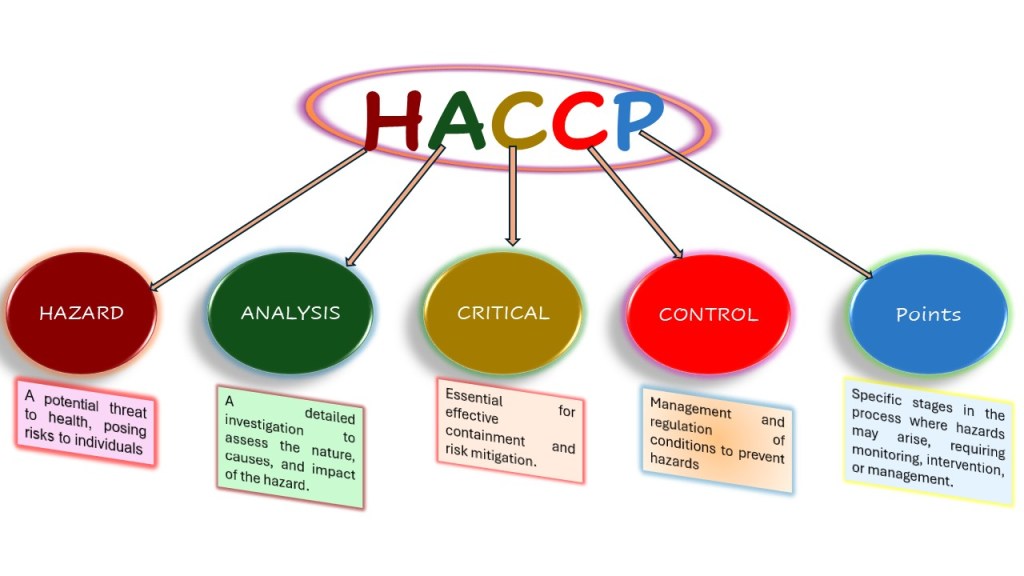
    HACCP (Hazard Analysis and Critical Control Points), a food safety management system, is based on seven key principles to maintain food safety in retail stores, food service operations, and processing plants. The HACCP system is a proactive food safety approach designed to prevent, reduce, or eliminate chemical, biological, and physical hazards, ensuring the highest level of food safety. It includes detailed record-keeping to demonstrate compliance and facilitate effective hazard management. By identifying, evaluating, and controlling significant food safety risks across the entire supply chain—from farm to fork—HACCP relies on a deep understanding of cause-and-effect relationships, a cornerstone of Total Quality Management (FAO, 2001). If a problem arises and control is lost, it is quickly detected and corrected to ensure that unsafe or contaminated food does not reach customers. When implementing HACCP, microbiological testing is rarely an efficient method for monitoring critical control points (CCPs) in the HACCP system because it takes too long to get results. Instead, physical and chemical tests, along with visual checks, are typically more effective for real-time monitoring of CCPs. However, microbiological criteria remain valuable for verifying the overall effectiveness of the HACCP system in ensuring food safety (FDA, 1997).

    The Seven Principles of HACCP System.

    HACCP plans are based on seven key principles (Figure 1) to ensure food safety in retail food stores, food service operations, and food processing plants. These principles, in chronological order, include identifying hazards, determining CCPs, establishing safety limits, monitoring processes, taking corrective actions, verifying procedures, and maintaining documentation and record-keeping. If something goes wrong and control is lost, the issue is quickly identified and corrected to prevent unsafe food from reaching consumers.

    Figure 1: Seven principles of HACCP for building a robust HACCP system in an industrial setting.

    1. Conduct a Hazard Analysis:

    This stage involves brainstorming potential hazards at every step of the production process. Hazard analysis is a multi-step process that identifies and evaluates potential biological, chemical, or physical hazards that could cause illness or injury if not properly controlled. This process involves three key steps:

    1. Hazard Identification: Examining all aspects of production to identify possible sources of contamination. The HACCP team reviews all ingredients, production activities, equipment used, storage and distribution methods, and the intended consumers. This includes assessing raw materials, potential contaminants, steps that eliminate pathogens, storage conditions, packaging methods, and any history of foodborne illnesses linked to the product. Moreover, historical data on past safety issues with similar products can also provide valuable insights.
    2. Hazard Evaluation: After identifying potential hazards, the team must assesses their severity and likelihood of occurrence. Severity refers to the seriousness of health consequences if exposed to the hazard, including short-term and long-term effects. Likelihood is determined based on experience, epidemiological data, and scientific literature. The evaluation considers how the food is prepared, stored, and transported, as well as the vulnerability of consumers. Factors such as processing conditions, intended use, and potential health risks to targeted customers (e.g., young children, elderly individuals, or immunocompromised individuals) help determine which hazards must be addressed in the HACCP plan. Furthermore, some hazards may be naturally controlled by prerequisite programs such as strict purchasing specifications, suppliers approval, antimicrobial ingredients, strictly adhering to standard operating procedures (SOPs), good manufacturing practices (GMP), and hygiene protocols, particularly in areas where food is exposed post-processing.
    3. Hazard Control Measures: Once hazards are identified and evaluated, the HACCP team establishes control measures to prevent, eliminate, or reduce risks to an acceptable level.

    By systematically identifying, evaluating, and controlling hazards, HACCP ensures food safety throughout the production process, reducing risks and protecting public health (FDA, 1997).

    2. Determine Critical Control Points (CCPs):

    A CCP is a specific step in the food production process where control can be applied to prevent, eliminate, or reduce a food safety hazard to an acceptable level, and hence, identifying CCPs is crucial to ensuring food safety, as they help control hazards that could lead to illness or injury if left unchecked. Each food production facility must develop a written HACCP plan for every product whenever a hazard analysis identifies one or more food safety hazards that are reasonably likely to occur. Determining CCPs involves assessing potential hazards and identifying the specific steps where control measures are essential for safety. A CCP decision tree (Figure 2) is often used to help determine CCPs based on the hazard analysis conducted by the HACCP team, taking into account facility layout, equipment, ingredient selection, and processing methods.

    Figure 2: Decision tree for the identification of CCPs (Adapted from FAO, 2001).

    Examples of CCPs in food processing include, but are not limited to:

    Cooking temperature: Applying heat to destroy harmful microorganisms.

    Stabilisation: Controlling cooling processes to prevent bacterial growth.

    Drying: Removing moisture and water activity level to inhibit microbial activity.

    Fermentation: Using controlled microbial activity to create safe food products. For example, food pH drops rapidly during fermentation, inhibiting pathogenic microbes and extending shelf life while ensuring safety (Fernandez & Marette, 2017).

    Pasteurisation: Using heat treatment to reduce pathogen levels, typically involving heating at 93°C ± 2°C for 15–30 seconds or above 120°C for 3–10 seconds. This process achieves a 97.3%–99.9% disinfection rate but may degrade bioactive compounds and alter the nutritional properties of drinks (Ağçam et al., 2018).

    High‐pressure processing (HPP):  High-pressure processing (400–600 MPa) is a non-thermal method for microbial inactivation, typically applied for 1.5–6 minutes in industrial settings (EFSA Panel on Biological Hazards, 2022). Unlike traditional heat-based preservation techniques, HPP effectively eliminates harmful microorganisms while maintaining the sensory and nutritional quality of food products. The effectiveness of HPP varies depending on the type of microorganism. Moulds, yeasts, and parasites require 200–400 MPa, while bacteria are inactivated at 300–600 MPa. More resistant spores need pressures exceeding 600 MPa at 60°C, with a typical treatment duration of 5–15 minutes (Brockhaus et al., 2022).

    Acid Rinses: Lowering pH levels in foods or drinks to control bacterial growth below pH 4, as most bacteria are neutrophiles, growing best at a pH close to 7.0. However, acidophiles (LAB) are exceptions, as they grow optimally at a pH near 3.0 and are generally not pathogenic to humans.


    Metal Detection: Screening for physical hazards, particularly metals such as ferrous, non-ferrous, and stainless steel, in finished products.

    Since different food processing facilities may vary in layout, equipment, ingredients, and processes, the identified CCPs can differ between establishments, even when producing similar food products. Therefore, a well-documented and carefully developed CCP system is essential for maintaining food safety standards.

    3. Establish Critical Limits:

    Critical limits are the maximum or minimum values that must be maintained at each CCP to prevent, eliminate, or reduce hazards to an acceptable level. A critical limit is a parameter, whether biological, chemical, or physical, that must be controlled at a CCP to prevent, eliminate, or reduce a food safety hazard. Critical limits help distinguish between safe and unsafe conditions during food production. Each CCP must have clearly defined critical limits that ensure the food safety hazard is controlled. These limits are established to meet performance standards set by authorities like the FSIS, BRCGS, and any other relevant regulations.

    Control Measures and Critical Limits

    Each CCP will have one or more control measures to ensure that hazards are addressed. For each control measure, there will be corresponding critical limits. These limits can be based on factors such as temperature, time, physical dimensions, moisture level, Water activity (aw), pH level, salt concentration, preservatives, and viscosity. In fact, critical limits must be based on scientific evidence, not on assumption. Critical limits ensure food safety by establishing precise, measurable criteria for controlling hazards during the food production process.

    4. Establish Monitoring Procedures:

    Monitoring procedures involve the regular observation or measurement of each CCP to ensure that it remains within the established critical limits (CL). Monitoring can be done continuously or intermittently, depending on the process and available resources. Continuous monitoring is preferred, but if not possible, intermittent checks must be frequent enough to maintain control.

    Monitoring Procedures:

    Continuous Monitoring: Ideal for many physical and chemical processes, continuous monitoring provides real-time data. For example, temperature and time in the thermal processing of low-acid canned foods can be continuously recorded on temperature charts. If any deviations are observed (e.g., the temperature falls below the required level or the time is insufficient), corrective actions can be taken immediately, and the affected product can be isolated.

    Non-continuous Monitoring: When continuous monitoring is not feasible, periodic checks should be performed at a frequency that ensures the CCP remains under control. For example, pH measurement can be done continuously in liquids, or samples may be taken for testing at defined intervals.

    The three main purposes of monitoring are:

    Tracking the process: It helps ensure that the CCP remains under control. If monitoring indicates a trend towards losing control, corrective actions can be taken before a deviation occurs.

    Detecting deviations: Monitoring helps identify when a CCP exceeds or fails to meet its critical limit, triggering the need for corrective actions.

    Providing documentation: Monitoring generates records that serve as evidence for verification and demonstrate that the process is being effectively controlled.

    Key Aspects of Monitoring:

    Personnel Training: Proper assignment and training of monitoring personnel are critical to ensuring that procedures are followed correctly. This training should ensure that staff can detect potential issues early and take necessary actions.

    Calibration and Accuracy: Monitoring equipment must be regularly calibrated to ensure that the data it provides is accurate.

    Documentation: All monitoring activities should be documented, with records signed and dated by the responsible person to ensure accountability. This documentation will be essential for future verification and audits.

    Challenges with Microbiological Testing:

    Microbiological tests are not ideal for continuous monitoring due to their time-consuming nature and the difficulty in detecting contaminants quickly. Instead, physical and chemical measurements are typically preferred, as they provide faster results and are more effective in ensuring the control of microbiological hazards. For example, pasteurized milk or drinks safety is assessed by monitoring the time and temperature of the heating process rather than testing the milk for pathogens after the fact.

    5. Establish Corrective Actions:

    Corrective actions are essential when deviations from critical limits or unforeseen hazards occur in the food safety process. These actions ensure that unsafe products do not reach consumers and that the control measures for CCPs are maintained. The written HACCP plan must specify the corrective actions that should be taken if a deviation from a critical limit happens. The team responsible for corrective actions should be well-versed in the process, product, and HACCP plan. In certain cases, experts may need to be consulted to review the situation and help decide how to manage the non-compliant product. If a deviation occurs that isn’t covered by a predefined corrective action, or if an unforeseen hazard arises, the following steps should be taken:

    Determine and Correct the Cause: It is important to identify and address the root cause of the deviation to prevent recurrence.

    Disposition of Non-Compliant Product: The affected product must be evaluated and safely disposed of or corrected, ensuring no unsafe product reaches the consumer.

    Ensure Control of CCP: Corrective actions must restore control of the CCP and ensure that the process returns to the established safety parameters.

    Modification of the HACCP Plan: If necessary, the HACCP plan should be modified to address new hazards or changes to critical limits, ensuring continuous food safety.

    Corrective Action(s): When monitoring reveals a deviation from the critical limits, corrective actions must be taken immediately to bring the process back under control. These actions should be documented for verification purposes, ensuring that appropriate measures were taken to maintain food safety. By establishing effective monitoring procedures, facilities can ensure that CCPs are consistently controlled, hazards are mitigated, and food safety is maintained throughout the production process. Each corrective action should be clearly defined for every CCP in the HACCP plan. This plan should include the steps to take when a deviation occurs, identify the responsible individuals for implementing corrective actions, and ensure that records are kept of the actions taken.

    6. Establish Verification Procedures:

    Verification procedure is crucial to validate whether the HACCP plan is functioning correctly and that the system is operating as intended, which includes:

    Plan Validation: Before the HACCP system is fully implemented, the plan must be validated to ensure that it is scientifically and technically sound. This includes confirming that all identified hazards can be controlled effectively by the implemented plan. For example, to validate the cooking process for beef patties, scientific studies and in-plant evaluations are necessary to verify that the time and temperature will effectively eliminate pathogenic microorganisms.

    Ongoing Validation: After initial validation, the HACCP plan should be periodically re-validated when significant changes occur, such as, unexplained system failures, changes in product, process, or packaging, and identification of new hazards.

    Comprehensive Verification: Comprehensive verification of the HACCP system should be conducted periodically by an unbiased, independent authority, such as by internal personnel, third-party experts-, and regulatory agencies. These activities are essential for maintaining the integrity of the HACCP system and ensuring continuous food safety compliance. This includes technical evaluations of the hazard analysis, an on-site review of flow diagrams, and the review of records. A comprehensive verification is independent of routine verification activities and ensures that the plan is controlling the identified hazards. If deficiencies are found during the review, the HACCP team will make necessary modifications to the plan.

    7. Establish record-keeping and documentation procedures.

    An effective recordkeeping system is essential for documenting the operation of a HACCP system and ensuring its ongoing compliance. Records must provide written evidence of the various activities that take place within the HACCP system, offering a clear history of its operation. Additionally, well-maintained records are essential for Due Diligence Defense, which can be used as evidence of compliance with food safety regulations, such as the Food Safety Act 1990 in the UK.

    Key Components of Recordkeeping:

    • Hazard Analysis Summary: A documented summary of the hazard analysis process.
    • HACCP Plan: The written plan outlining the critical control points, hazards, and control measures.
    • Supporting Documentation: Documents that provide evidence of the processes, procedures, and compliance measures.
    • Daily Operational Records: These records reflect the daily operations and monitoring at each CCP.
    • Proper record-keeping is critical in the HACCP system, ensuring that all activities are documented for verification and traceability. It provides evidence that the system is functioning as intended and that proper control measures are in place to manage food safety risks.

    Key Records to be Maintained:

    • Hazard Analysis Summary: This includes the rationale behind the identification of hazards and the control measures adopted for their management.
    • HACCP Plan: The formal plan detailing the steps in the process, identified hazards, and control measures.
    • HACCP Team Listing: A list of HACCP team members and their assigned responsibilities.
    • Food Description: Information about the product, its distribution, intended use, and target consumers.
    • Verified Flow Diagram: A diagram that illustrates the production process and identifies critical control points.

    Companies must maintain records related to GMP, GHP, and CCPs monitoring, including deviations and corrective actions. Additionally, documentation of the original HACCP study, such as hazard identification and the selection of critical limits, is essential. Both manual and electronic records are acceptable, provided they are appropriate for the size and nature of the operation. Proper recordkeeping ensures compliance with food safety regulations and supports the effective monitoring of HACCP systems to consistently control food safety hazards.

    References:

    Ağçam, E., Akyıldız, A. and Dündar, B., 2018. Thermal pasteurization and microbial inactivation of fruit juices. In Fruit juices (pp. 309-339). Academic Press.

    Brockhaus, B. (2022). What is HPP? All the relevant information about High Pressure Processing. Available from: https://www.thyssenkrupp-industrial-solutions.com/high-pressure-processing/en/what-is-hpp (Accessed 01 December 2024).

    EFSA Panel on Biological Hazards (BIOHAZ Panel), Koutsoumanis, K., Alvarez‐Ordóñez, A., Bolton, D., Bover‐Cid, S., Chemaly, M., Davies, R., De Cesare, A., Herman, L., Hilbert, F. and Lindqvist, R., 2022. The efficacy and safety of high‐pressure processing of food. EFSA Journal20(3), p.e07128.

    F. A. O. (2001). Manual on the application of the HACCP system in Mycotoxin prevention and control. Retrieved From: https://www.fao.org/4/Y1390E/y1390e00.htm Accessed February 28, 2025.

    FDA (1997). HACCP Principles & Application Guidelines. Retrieved From: https://www.fda.gov/food/hazard-analysis-critical-control-point-haccp/haccp-principles-application-guidelines (Accessed 14 March 2025).

    Fernandez, M.A. and Marette, A., 2017. Potential health benefits of combining yogurt and fruits based on their probiotic and prebiotic properties. Advances in Nutrition8(1), pp.155S-164S.

  • Cold plasma technology (CPT) is an emerging method for preserving food, increasing its shelf life, and maintaining bioactive compounds. Since CPT doesn’t rely on heat, it’s particularly useful for sterilizing heat-sensitive foods. However, it is still a developing process when it comes to safety assessments. The production of by-products such as ozone, UV rays, and reactive oxygen species during plasma generation can limit its effectiveness and widespread use in the food industry (Ganesan et al., 2020). This web literature looks at how different types of cold plasma are applied to plant and animal products. It also discusses the current state of CPT, its impact on food structures, bioactive compounds, packaging materials, and specific nutrients, as well as the advantages, challenges, and future recommendations for using this technology in the food industry.

    Working Principle of cold plasma CPT

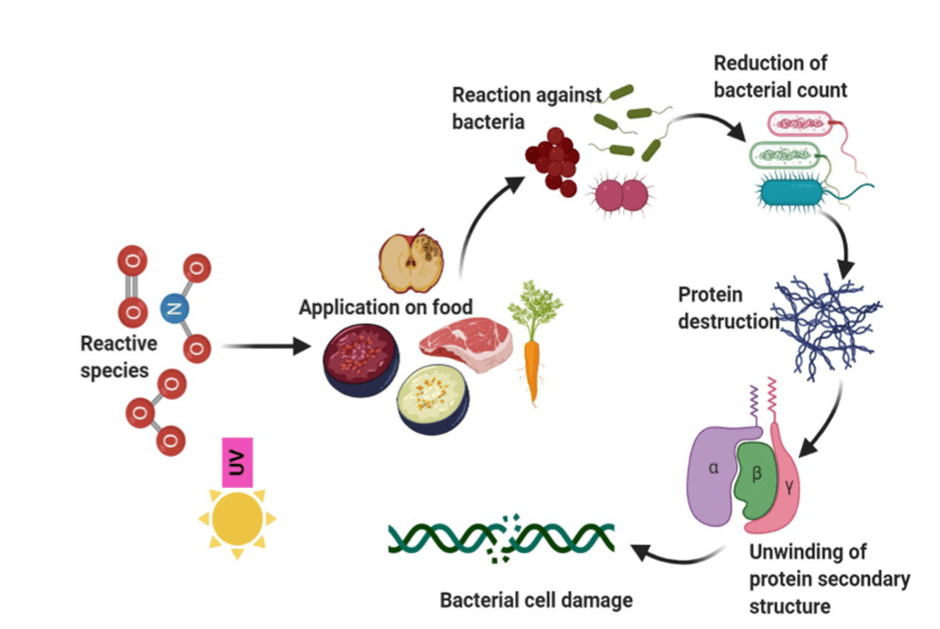
    Image 1: A schematic illustration of CPT on different food matrix to inactivate bacteria and viable cells (Ganesan et al., 2020).

    Figure 1 illustrates the application of CPT on a food matrix and its mechanism for bacterial inactivation and viable cell damage. When cold plasma (CP)  interacts with the food surface, it generates reactive oxygen species (ROS), reactive nitrogen species (RNS), ultraviolet (UV) radiation, charged particles, and electric fields. These components synergistically disrupt bacterial cell membranes, damage DNA, and impair cellular functions, leading to microbial inactivation (Wang et al., 2022). The reactive species penetrate the food matrix, targeting pathogens while preserving the food’s quality. This process highlights CPT potential as a non-thermal, effective technology for enhancing food safety by inactivating bacteria and minimising viable cell counts.

    In fact, CP exposure in foods can significantly reduce the total viable count by up to 5 logs, making it an effective non-thermal microbial inactivation method. The mechanism of CPT action differs between Gram-positive and Gram-negative bacteria due to their distinct cell wall structures. In Gram-positive bacteria, CP disrupts cellular integrity by breaking C–O, C–N, and C–C bonds, leading to structural rupture. In contrast, Gram-negative bacteria, which possess an outer membrane rich in lipopolysaccharides, undergo chemical modifications that compromise their viability (Yusupov et al., 2013; Filipić et al., 2020). These differences highlight CP’s targeted antimicrobial effects, making it a promising technology for food safety applications.

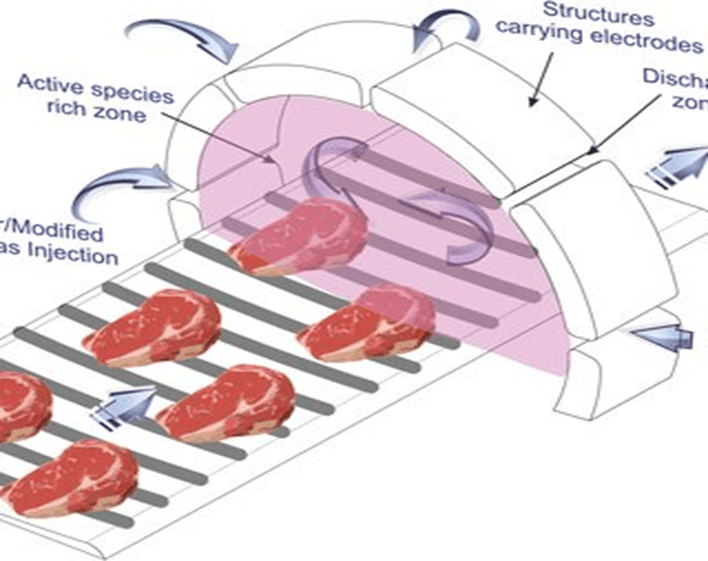
    Figure 2: Concept design of cold plasma unit (Misra and Jo, 2017).

    Furthermore, CPT operates under a high-voltage electric field (Figure 2), typically ranging from 20 to 60 kV in alternating current. The exposure time varies based on the application, spanning from as short as 5 seconds to a maximum of 60 minutes. Additionally, the frequency used in CP systems generally falls within the range of 50–70 kHz. These parameters influence the effectiveness of plasma treatment in microbial inactivation, food preservation, and quality retention (Misra and Jo, 2017; Ganesan et al., 2020). In CPT, gases such as oxygen, ozone, nitrogen, and helium are used as the primary carrier gases. The velocity of plasma can range from 55 to 95 km/s, depending on the process conditions. The energy sources that drive plasma generation are typically electricity, UV light, and gamma radiation, each contributing to the creation of plasma in different applications (Yusupov et al., 2013; Ganesan et al., 2020).

    Cold plasma works to kill microorganisms using three key methods. First, it uses reactive particles, radicals, or charged molecules to damage the cell membranes through chemical reactions. Second, the UV light produced by the plasma harms both the outer membranes and internal parts of the cells. Lastly, when the plasma particles recombine, they generate UV light that can break the DNA inside the microorganisms, preventing them from functioning properly. These processes make cold plasma an effective tool for microbial inactivation (Ansari et al., 2022).

    Over the past few decades, foodborne microorganisms pose a significant challenge in the food industry, as they can lead to severe illnesses in humans. Pathogens such as Listeria monocytogenes, Escherichia coli, Salmonella spp., Vibrio spp., Campylobacter jejuni, Staphylococcus aureus, Vibrio parahaemolyticus, etcetera. are commonly found in raw foods and feeds (FSA, 2024), highlighting the need for effective disinfection before packaging (Table 1 & 2). On the other hand, conventional sterilization methods, including chemical, thermal, radiological, and physical treatments, have proven effective but are often complex, time-consuming, and energy-intensive. In contrast, CPT has emerged as an innovative and promising technique in food processing. Unlike conventional methods, CP treatment has minimal impact on the physical, chemical, and nutritional properties of food products, making it a favourable alternative for microbial decontamination (Ansari et al., 2022). It decontaminates food surfaces effectively with minimal impact on nutritional quality, pH, acidity, colour, or texture. For example, some studies have reported minor changes in food properties after CP treatment (Table 1), further research could enhance its application for large-scale commercial use. Cold plasma offers numerous advantages over conventional decontamination methods, including being efficient, safe, cost-effective, environmentally friendly, and capable of preventing secondary contamination during packaging (Ansari et al., 2022).

    Table 1. Conditions used for treating vegetables with cold plasma to kill surface microorganisms.

     
    Plasma Type
     
    Treatment ParametersMicroorganisms KilledChanges in Organoleptic attributesReferences
    Vegetable
    PumpkinICDPJ17 kV, 20 minE. coli ATCC 25,922Decrease in pH(Santos et al., 2018)
    LettuceICDPJ2.4 kHz, 34.8kv, 5 minAeromonas hydrophila  No Change
    (Min et al., 2017)  
    RadishMicrowave- powered plasma900 W, 667 Pa, 10 minS. typhimuriumDecrease in the
    moisture content
    (Oh et al., 2017)
    Romaine lettuceDBD42.6 kV, 10 minEscherichia coli
    O157:H7
    No change(Min et al., 2017)
    CabbageMicrowave-powered cold plasma400–900 W, 667 k Pa, 1–10 minL. monocytogenesNo change(Lee et al., 2015)
    Fruits
    Unpeeled almondDiffuse coplanar surface barrier discharge20 kV,
    15 kHz, 15 min
    SalmonellaColour change(Hertwig et al., 2017)
    AppleDBD150 W, 12.7 kHz, air, 120 minE. coli O157:H7Reduction of antioxidant(Ramazzina et al., 2016)
    MelonDBD12.5 kHz, 15 kV, 30 minNAreduction in peroxidase(Tappi et al., 2016)
    StrawberriesDBD50 Hz, 60 kV, 5 minAerobic bacteria and yeasts and mouldsNo change(Misra and Patil, 2014)
    CantaloupeOAUGDP9 kV, 6 kHz, 25 °C, 1 minSalmonella spp.No change(Critzer et al., 2007)

    Table 2. Optimal conditions for applying cold plasma treatment to animal-based products for microbial inactivation.

    ProductVoltageFrequencyTime (min)PathogensReferences
    Chicken patties70 kV3Listeria innocua, Campylobacter jejuni, Salmonella enterica, and Escherichia coli(Gao et al., 2021)
    Fish60 kV50 Hz4Mesophile bacteria and Enterobacteriaceae(Mohamed et al., 2021)
    Chicken breast2 kV50 kHz2L. monocytogenes(Lee et al., 2016)
    Pork20 kV58 kHz2Listeria monocytogenes, Escherichia coli(Choi et al., 2015)
    Pork1.2 kV20- 100 kHz10Psychrotrophs, yeast and moulds(Ulbin-Figlewicz et al., 2015)
    Chicken muscle16 kV30 kHz8L. innocua(Noriega et al., 2011)

    Key Features of CP Technology:

    • Broad-Spectrum Antimicrobial Action: Effectively inactivates a wide range of pathogens, including bacteria, viruses, fungi, and yeasts.
    • Eliminates Resistant Microorganisms: Capable of destroying both vegetative cells and spores of pathogens, enhancing food safety.
    • Flexible Application: Can be applied to food products with or without packaging, making it a versatile processing technology.
    • Limitations in Vacuum Processing: CP is incompatible with vacuum conditions, limiting its use in certain food processing environments.
    • Lipid Oxidation Concerns: High-fat foods, such as dairy and meat products, are particularly prone to lipid oxidation due to CP processing, which accelerates oxidative reactions and can negatively impact food quality (Jadhav and Annapure, 2021).

    Limitations of cold atmospheric plasma

    While CPT has shown promising antimicrobial efficacy, it still has limitations that need to be addressed. Variability in CPT devices, research methodologies, and target microorganisms makes it difficult to standardise results and compare microbial inactivation effectiveness. Additionally, most CP devices are limited to small areas, posing challenges for large-scale applications. The exact mechanism of microbial inactivation by CAP, including its effects on biomolecules like DNA, proteins, and lipids, is still under investigation. Since CP’s reactive species and charged particles depend on factors like the type of gas and atmospheric conditions, further research is needed to fully understand their role. Despite these challenges, ongoing advancements may help overcome these limitations, establishing CAP as a reliable antimicrobial technology (Das et al., 2022).

    To summarise, CPT has emerged as a promising antimicrobial solution due to its effectiveness in inactivating resistant microorganisms. However, its efficacy varies depending on factors such as device type, operational gas composition, power settings, and applied voltage. he exact inactivation mechanism remains complex, involving a synergistic effect of reactive species, charged particles, and UV radiation (Das et al., 2022). Therefore, more studies from multiple angles are crucial to better understand the mechanism, optimize the process, and evaluate its effectiveness across different food matrices. Beyond microbial inactivation, CAP serves as a nonthermal food processing technology with minimal impact on food quality. While it holds potential for modifying packaging materials and reducing enzyme activity, challenges remain, including regulatory approval, process optimization, and consumer acceptance. Further research is needed to address safety concerns, enhance its large-scale application, and explore synergies with other treatments.

    Empowering sustainable agriculture and food systems through innovation, education, and evidence-based practices

    active-packaging Alginate antifungal ATP ATP Bioluminescence bacteria Bioluminescence Blue Mould Chitosan Citrus coatings Cold Plasma Contamination diet Economic Loss Edible Coatings Electrostatic coatings food Food Microbiology Food Packaging Food Safety Food Technology fresh produce gardening Green Mould health Innovation medical Microbial Disinfection Microbiology Natural Preservatives nutrition Penicilium Decay Potassium Alginate Public Health science shelf-life Smart Packaging Sodium Alginate sustainability Sustainable sustainable packaging technology Thyme oil

    Pages: 1 2

  • Adenosine triphosphate (ATP) bioluminescence assay works by detecting ATP produced by pathogens through a physicochemical reaction. ATP, often referred to as the energy currency of cells, is a key organic molecule responsible for storing and transferring energy in all living organisms. The presence of ATP in food and on food preparation surfaces indicates possible microbial contamination, as well as the presence of enzymes and allergens (Dunn & Grider, 2021; Masia et al., 2021).

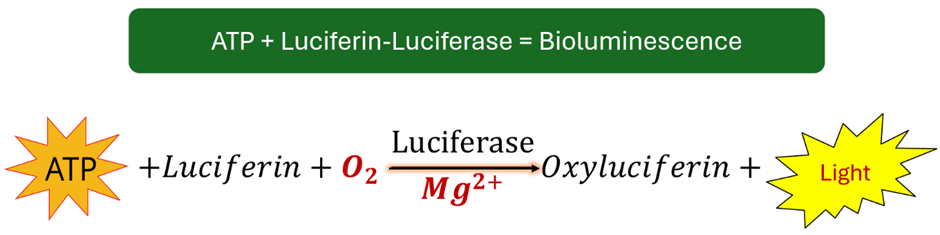
    Figure 1: Simplified reaction process illustrating ATP and luciferin as reactants for luciferase to produce light.

    This assay, also known as an energy measurement technique, relies on ATP’s role in oxidizing luciferin into oxyluciferin, producing light (Bioluminescence) with the help of the enzyme luciferase (which facilitates bioluminescence) (Figure 1). During this process, ATP is converted into AMP, releasing PPi and emitting a chemiluminescent signal within the wavelength range of 470-700 nm (Eed et al., 2016; Singh et al., 2018; Masia et al., 2021). The reaction is shown in the equation below.

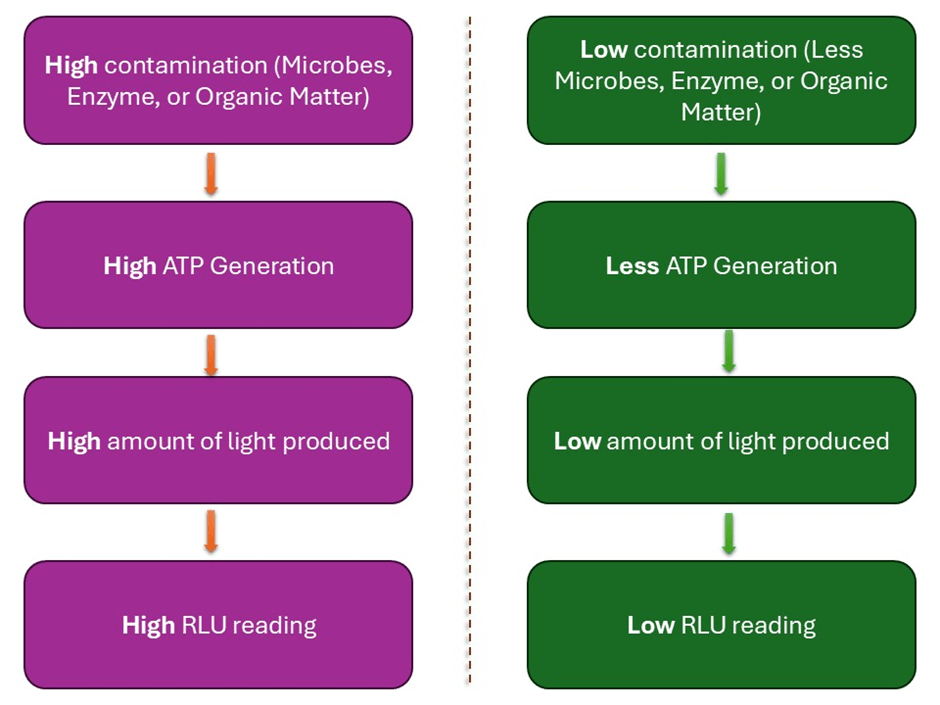
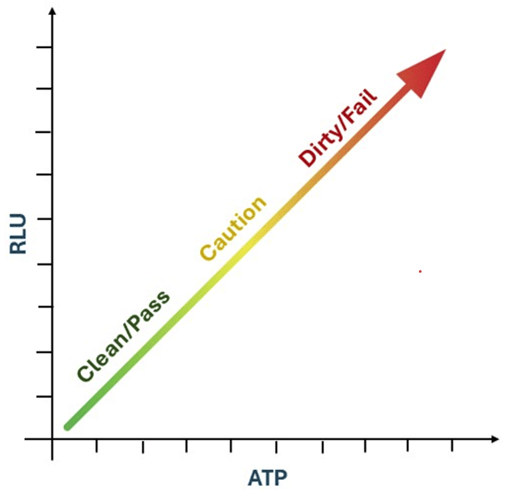
    The level of bioluminescence is measured using a device called a luminometer and is expressed in relative light units (RLU). RLU results are indirectly related to CFU, as RLU is proportional but not equivalent to CFU. Since the amount of luminescence is directly proportional to ATP concentration (Figure 2), RLU can be converted into RLU per mole of ATP, providing insights into total cell viability in food samples and/or food contact surfaces (Singh et al., 2018; Ali et al., 2020).

    Figure 2: The relationship between contamination, ATP production, and the RLU reading on the luminometer.

    This method is highly sensitive, capable of detecting as little as 0.8–100 amol (1 amol = 1 × 10⁻¹⁸ mol) of intracellular ATP from living microbial cells within an hour, without requiring a culture step (Ishimaru et al., 2021). Kim et al. (2018) demonstrated that ATP bioluminescence measurement after photothermal lysis of targeted bacteria, using gold nanorods and NIR irradiation, is a highly selective and sensitive detection technique. This approach delivers results within 36 minutes, with only a short incubation period (30 minutes) and a 6-minute NIR irradiation step.

    Figure 3: Relationship Between ATP and RLU as Indicators of Cleanliness or Contamination Levels.

    In fact, higher RLU in an ATP test correspond to higher levels of ATP, which serve as an indicator of greater contamination, and vice-versa (Figure 3). In addition, high efficiency, accuracy, sensitivity, and specificity are crucial for obtaining precise and reliable results in ATP bioluminescence testing. Sensitivity can be further enhanced by increasing ATP levels through heat treatment, which helps release bound ATP from microbial cells and organic residues. This process improves the detection of low levels of contamination, ensuring more accurate hygiene monitoring. For example, heating food samples at 95°C for 10 minutes improves detection, while exposing bacterial samples to 50°C for 10 minutes increases RLU values by 2 to 3 times (Lee et al., 2017).

    Table 1: An overview of commercial ATP Bioluminescence assay devices coupled with luminometers for food and beverages analysis (Source: Rijal, 2023).

    Supplier NameLuminometer TypeMethodSuitabilityApplicationLOD/ Detection RangeIncubation Time
    3M  3M™ Clean-Trace™ Luminometer  Surface swab, liquid and solid foods (Single use)Foodborne pathogens and enzymesFruits, vegetables, grain, pet foods, processed foods and seafoods10 RLU (1.3 fmoles ATP)4 hours
    Charm Sciences Inc  NovaLUM® II Luminometer  SwabColiforms and hydrogen sulfide producing EB, allergens and pesticidesDairy products, foods, grains, feed, hospitality and water treatment1.0 fmoles ATP30 minutes
    Neogen  Neogen® AccuPoint Luminometer  Surface Swab, food and beveragesEB, TVC, Saccharomyces cerevisiae, Pseudomonas aeruginosa, Lactobacillus plantarum, Enzymes, and allergensSurfaces, beverages, food and liquid samples10 fmoles ATPReal time testing
    Hygiena™  EnSURE™ Touch  Surface swab, liquid, and solid foods (Single use)Coliforms, EB, TVC, Enzymes, allergens and mycotoxinsSurfaces, beverages, and food samplesUltrasnap kit-1.0 fmols ATP6-8 hours  
    Surfaces, foods and beveragesSuperSnap kit- 0.17 fmols ATP 6-8 hours  
    R-Biopharm  Lumitester™ PD-30  Surface swab, liquid and solid foods (Single use)Salmonella, E. coli, Campylobacter, allergens, viruses, and bacterial toxinsFluids, dry and moist surfaces10 RLU (0 to 999999 RLUs)15 minutes
    Pall Corporation  Pall Pallchek Luminometer Trans Illuminator  liquid and solid foods (Multiwell-plates)EB, P. aeruginosa S. aureus, and EnzymesFood and beverages10 – 100 CFU2-3 hours
    ThermoFisher Scientific  Fluoroskan™ FL Microplate Luminometer  Multiwell-platesCell proliferation, cytotoxicity, nucleic acid quantitation, gene assays, immunoassays, & enzyme activity. Food, beverages, and surfaces10 amol ATP/well using flash reactionReal time testing

    A variety of rapid ATP bioluminescence assay kits are available on the market, designed for easy and portable use in quickly screening food samples (Table 1). These kits enable high-throughput, automated detection of foodborne pathogens based on ATP bioluminescence. In this method, food and beverage samples can be tested directly in detection tubes, either with or without dilution. However, when monitoring surface hygiene, food production surfaces, tools, and equipment must first be swabbed before processing with the luciferin-luciferase complex. For the ATP bioluminescence test of food contact surface areas, swab a 10 x 10 cm (4 x 4 in) area. Move the swab side to side and up and down while rotating the tip to ensure thorough collection and complete coverage of the targeted area.

    Several companies have developed highly specific and sensitive luminometers and detection tools. For instance, 3M offers ATP-based test devices such as the 3M™ Clean-Trace™ luminometer, 3M™ Clean-Trace™ total ATP test device, and surface ATP test device, which detect ATP levels with a limit of detection (LOD) of 1.3 femtomoles (fmol) of ATP (1 fmol = 10⁻¹⁵ moles). Similarly, Neogen® AccuPoint Luminometer uses an advanced ATP testing tube with a half-inch diameter, capable of measuring both total ATP and microbial ATP depending on the swab type, with an LOD of about 10 fmols ATP.

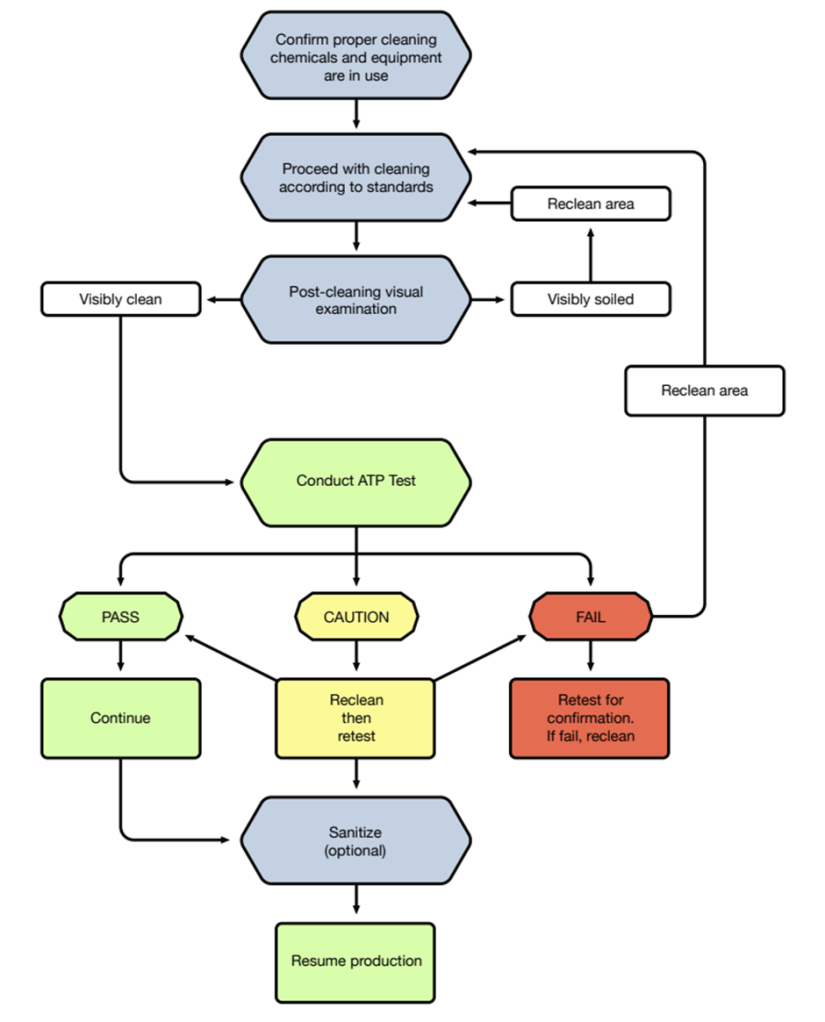
    Figure 4: Recommended Cleaning and Corrective Action Procedures (Source: Hygiene Monitoring Guide).

    Hygiena™ provides Ultrasnap and Supersnap swab kits, with LODs of 1.0 fmol and 0.17 fmol ATP, respectively. These kits can even detect as low as 1 CFU/ml after sample incubation and are AOAC-certified (Bottari et al., 2015). Hygiena™ also offers the Hygiena™ EnSURE™ Touch, a portable, handheld device with Wi-Fi and cloud storage access. This system measures both total ATP and microbial ATP levels, with low variability (5-12%) across different ATP concentrations (20-2,000 fmol). A low coefficient of variation (CV%) indicates more consistent and reliable results, with values closer to 0% is desirable. Refer to Figure 4 for the recommended cleaning and corrective action procedures outlined in the Hygiene Monitoring Guide.

    These commercial ATP bioluminescence assay kits are widely used in the food and beverage industry, healthcare sector, canteens, and service industries due to their ability to provide immediate on-site results. However, a key limitation of this technique is that it cannot distinguish whether the detected ATP originates from harmful or beneficial bacteria (Kim et al., 2018).

    Applications and benefits of ATP Bioluminescence rapid test kits.

    The ATP Bioluminescence rapid test system provides fast and accurate results, making it an ideal point-of-care test for industries and developing countries. Using a luminometer, it delivers results in a readable format within few minutes to hours, significantly faster than traditional enumeration methods (Dilek, 2019; Zheng et al., 2019). Thanks to its compact and portable setup—including an incubator, luminometer, and test devices—this system is easy to transport and can be used for detecting pathogenic contamination in food, seeds, and food production surfaces. It can also detect high contamination levels without the need for serial dilutions, saving both time and sample quantity during analysis. With proper training, the equipment is simple to operate, making it especially valuable during food poisoning outbreaks. It can quickly identify total viable count, coliforms, allergens, and other harmful foodborne bacteria, allowing for immediate preventive actions (Nayak, 2014).

    Traditional enumeration methods assume that a single bacterial colony originates from one cell, but this is not always accurate—some bacteria naturally form pairs, chains, or clusters, leading to an underestimation of the actual population (Nieto et al., 2022). In such cases, the MicroSnap device offers a more reliable alternative for bacterial detection.

    Factors Contributing to False Results in ATP Bioluminescence Detection.

    It is not uncommon for the system to produce false positive or false negative results. Several factors can influence variations in cell count, including differences in microbial cell size, cell development stages, background noise from the detection device, and ATP naturally present in food. Other factors such as chemical interference, contamination during sample preparation, and enumeration time can also contribute to discrepancies. The ATP content in food may impact the total ATP detected by the luciferase enzyme, leading to an overestimated count (Aon et al., 2014; Nayak, 2014; Arroyo et al., 2017). Additionally, background noise from the system, including electrical and chemical interference from food impurities and surfaces, may also result in an inflated cell count (Meighan, 2014; Meighan et al., 2016).

    To conclude, The presence of ATP on surfaces signals inadequate cleaning and potential contamination from organic debris and bacteria. Food residues not only indicate poor sanitation but also create environments where bacteria can thrive, interfere with disinfectants, and contribute to biofilm formation. Additionally, allergenic food residues increase the risk of cross-contact. However, ATP tests cannot directly detect bacteria or allergenic proteins. Effective use of these tests requires a thorough understanding of their applications, pass-fail limits, and performance variations. Traditional ATP tests face limitations due to ATP breakdown into ADP and AMP, making residue detection challenging. To address this, the total adenylate (A3) test was developed, which detects ATP, ADP, and AMP, improving the identification of food residues. When combined with microbial culture and allergen testing, the A3 test enhances contamination detection and supports better hygiene management (Bakke, 2022).

    References

    Ali, A.A., Altemimi, A.B., Alhelfi, N. and Ibrahim, S.A. (2020). Application of biosensors for detection of pathogenic food bacteria: a review. Biosensors10(6), p.58. doi: https://doi.org/10.3390/bios10060058

    Aon, M.A., Bhatt, N. and Cortassa, S.C. (2014). Mitochondrial and cellular mechanisms for managing lipid excess. Frontiers in physiology5, p.282. doi: https://doi.org/10.3389/fphys.2014.00282

    Arroyo, M.G., Ferreira, A.M., Frota, O.P., Rigotti, M.A., de Andrade, D., Brizzotti, N.S., Peresi, J.T.M., Castilho, E.M. and de Almeida, M.T.G. (2017). Effectiveness of ATP bioluminescence assay for presumptive identification of microorganisms in hospital water sources. BMC Infectious Diseases17(1), pp.1-5. doi: https://doi.org/10.1186/s12879-017-2562-y

    Bakke, M., 2022. A comprehensive analysis of ATP tests: practical use and recent progress in the total adenylate test for the effective monitoring of hygiene. Journal of food protection85(7), pp.1079-1095. https://doi.org/10.4315/jfp-21-384

    Bottari, B., Santarelli, M. and Neviani, E. (2015). Determination of microbial load for different beverages and foodstuff by assessment of intracellular ATP. Trends in Food Science and Technology44(1), pp.36-48. doi: https://doi.org/10.1016/j.tifs.2015.02.012

    Dilek, Ç.A.M. (2019). Lateral flow assay for Salmonella detection and potential reagents, in M. Ranjbar, M. Nojomi, M.T. Mascellino (eds.) In New Insight into Brucella Infection and Foodborne Diseases. London, UK: IntechOpen, pp.107-117. doi: https://doi.org/10.5772/intechopen.88827

    Dunn, J. and Grider, M.H. (2021). Physiology, adenosine triphosphate. In StatPearls [Internet]. StatPearls Publishing. Available from: https://www.ncbi.nlm.nih.gov/books/NBK553175/ (Accessed 06 March 2025).

    Eed, H.R., Abdel-Kader, N.S., El Tahan, M.H., Dai, T. and Amin, R. (2016). Bioluminescence-sensing assay for microbial growth recognition. Journal of Sensors, pp.1-5. doi: https://doi.org/10.1155/2016/1492467

    Ishimaru, M., Noda, H., Matsumoto, E., Koshi, H. and Otake, H. (2021). Comparative study of rapid ATP bioluminescence assay and conventional plate count method for development of rapid disinfecting activity test. Luminescence, 36(3), pp.826-833. doi: https://doi.org/10.1002/bio.4014

    Kim, S.U., Jo, E.J., Noh, Y., Mun, H., Ahn, Y.D. and Kim, M.G. (2018). Adenosine triphosphate bioluminescence-based bacteria detection using targeted photothermal lysis by gold nanorods. Analytical chemistry90(17), pp.10171-10178. doi: https://doi.org/10.1021/acs.analchem.8b00254

    Lee, J., Park, C., Kim, Y. and Park, S. (2017). Signal enhancement in ATP bioluminescence to detect bacterial pathogens via heat treatment. BioChip Journal11(4), pp.287-293. doi: https://doi.org/10.1007/s13206-017-1404-8

    Liu, J.T., Luo, J., Liu, X. and Cai, X. (2014). Development of a rapid optic bacteria detecting system based on ATP bioluminescence. In International Symposium on Optoelectronic Technology and Application 2014: Laser and Optical Measurement Technology; and Fiber Optic Sensors, Society of Photo-Optical Instrumentation Engineers, 9297, pp.42-46. doi: https://doi.org/10.1117/12.2069489

    Masia, M.D., Dettori, M., Deriu, G.M., Bellu, S., Arcadu, L., Azara, A., Piana, A., Palmieri, A., Arghittu, A. and Castiglia, P. (2021). ATP bioluminescence for assessing the efficacy of the manual cleaning procedure during the reprocessing of reusable surgical instruments. In Healthcare, 9(3), p.352. doi: https://doi.org/10.3390/healthcare9030352

    Meighan, P. (2014). Validation of the MicroSnap Coliform and E. coli Test System for Enumeration and Detection of Coliforms and E. coli in a Variety of Foods. Journal of AOAC International97(2), pp.453-478. doi: https://doi.org/10.5740/jaoacint.13-361

    Meighan, P., Smith, M., Datta, S., Katz, B. and Nason, F. (2016). The Validation of the MicroSnap Total for Enumeration of Total Viable Count in a Variety of Foods. Journal of AOAC International99(3), pp.686-694. doi: https://doi.org/10.5740/jaoacint.16-0016

    Nayak, R.S. (2014). Comparison of the novel MicroSnap™ Coliform test kit with the 3M™ Petri-films (Unpublished master’s dissertation). University of Birmingham, Birmingham, England. doi: https://doi.org/10.13140/RG.2.1.2669.4244

    Nieto, C., Vargas-Garcia, C., Pedraza, J. and Singh, A. (2022). Cell size regulation and proliferation fluctuations in single-cell derived colonies. bioRxiv. doi: https://doi.org/10.1101/2022.07.05.498901

    Singh, A., Tiwari, A., Bajpai, J. and Bajpai, A.K. (2018). 3. Polymer-based antimicrobial coatings as potential biomaterials: From action to application. Handbook of Antimicrobial Coatings, pp.27-61. doi: https://doi.org/10.1016/B978-0-12-811982-2.00003-2

    Zheng, L., Cai, G., Qi, W., Wang, S., Wang, M. and Lin, J. (2019). Optical biosensor for rapid detection of Salmonella typhimurium based on porous gold@ platinum nanocatalysts and a 3D fluidic chip. ACS sensors5(1), pp.65-72. doi: https://doi.org/10.1021/acssensors.9b01472


    Leave a comment

      Robin Rijal, with a strong background in Agricultural Science and Food Science & Technology, has developed expertise in plant pathology, molecular biology, and food science. He is deeply passionate about exploring innovative trends and technologies in food and agriculture, aiming to contribute to sustainable farming practices and enhanced food production.

    • Food irradiation is a process that carefully exposes food to ionizing radiation, such as X-rays or gamma rays, to eliminate harmful pathogens like Salmonella spp., Escherichia coli, and Campylobacter, which can cause foodborne illnesses. This exposure damages the DNA or RNA of microorganisms, ultimately leading to their destruction (Farkas, 2006; Matallana-Surget & Wattiez, 2013; Institute of Food Science and Technology, 2015).

      In the food and agricultural industry, irradiation helps reduce storage losses, extend shelf-life, and enhance food safety by eliminating parasites and harmful microbes (Farkas, 2006). The most commonly used radiation sources—gamma rays, X-rays, and electron beams—generate high-energy charged atoms that disrupt microbial DNA and RNA structures (National Toxicology Program, 2011). Notably, irradiation can even be applied to large quantities of food, such as pallet-sized containers (Farkas, 2006).

      Over recent decades, this preservation method has been widely used for various foods, including tubers, bulbs, grains, spices, meats, poultry, and seafood, to prevent microbial spoilage. Irradiation is considered an environmentally friendly and cost-effective technology that extends the shelf life of both raw and processed foods without compromising their taste, texture, or sensory qualities (Farkas, 2006; Indiarto & Qonit, 2020).

      According to The Food Irradiation (England) Regulations 2009, any food or ingredient treated with ionizing radiation must be labeled as “irradiated” or “treated with ionizing radiation.” Additionally, a license is required to use this technology in food processing, and the appropriate radiation dose varies depending on the food type and characteristics.

      Ionizing sources and the process of food irradiation.

      X-rays, gamma rays, and electron beams have very short wavelengths, allowing them to penetrate deep into thick layers of food (Farkas, 2006). This makes them highly effective in eliminating pathogens, parasites, and pests both on the surface and inside the food. X-rays are generated by directing electrons onto a thin gold plate, while gamma rays come from the neutron bombardment of cobalt-60 (60Co), a radioactive isotope used in nuclear reactors (Farkas, 2006; Balakrishnan et al., 2021).

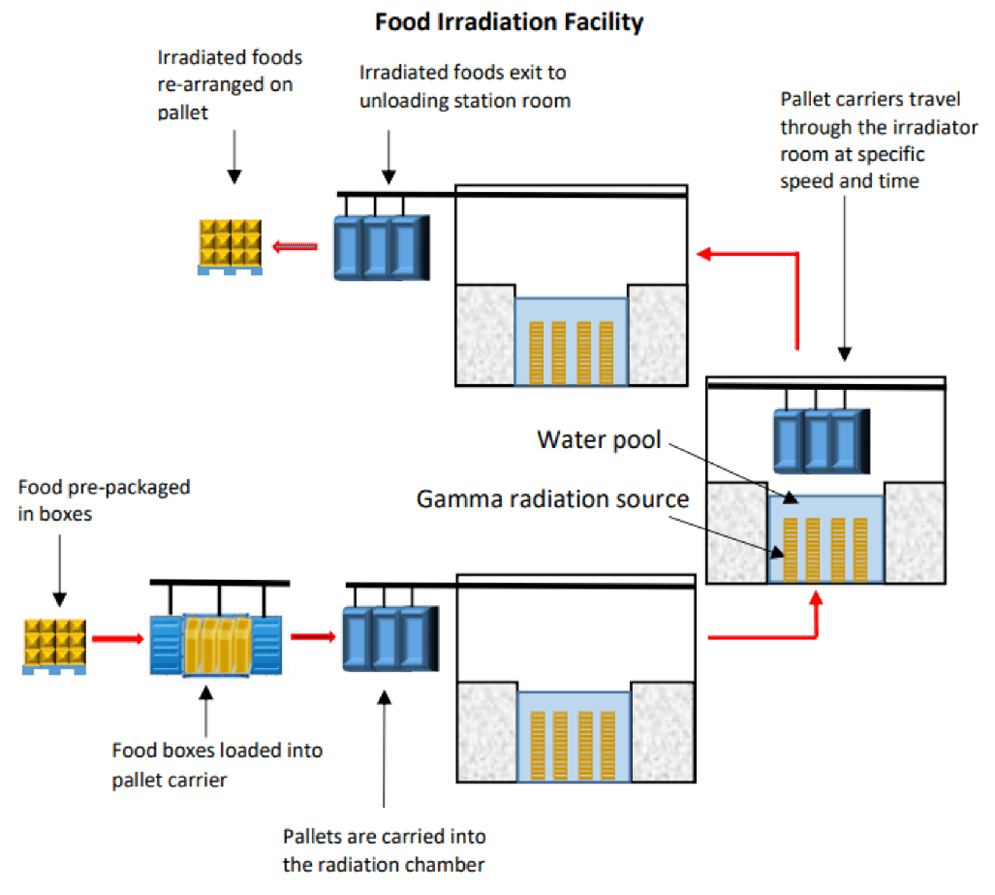
      Figure 1. A schematic flow-chart diagram of food irradiation process (Balakrishnan et al., 2021).

      In industrial food irradiation, the process (Figure 1) is carefully controlled to ensure safety and effectiveness. First, food is packed into boxes and placed on a pallet. The radiation source, usually stored in a water-filled tank for safety, is lifted into a secure chamber with thick concrete walls to prevent radiation from escaping. The food pallets then move through the chamber, where they receive a precise dose of radiation for a set time. This exposure kills harmful bacteria and pests without the food ever touching the radiation source. Once the process is finished, the source is safely returned to the water tank, and the treated food is ready for handling and distribution (Mostafavi et al., 2010; Balakrishnan et al., 2021).

      UK legislation and control of food irradiation.

      According to The Food Irradiation (England) Regulations 2009, only seven categories of food are approved for irradiation. These include fruits (such as fungi, rhubarb, and tomatoes), vegetables (including pulses), cereals, bulbs and tubers (like onions, garlic, shallots, potatoes, and yams), poultry (including chickens, ducks, pigeons, geese, turkeys, and quails), fish and shellfish (such as crustaceans, eels, and mollusks), and dried aromatic herbs, spices, and vegetable seasonings. Table 1 provides details on the maximum allowed radiation doses for each food category in the UK.

      Table 1: Maximum dose of ionising radiation permitted in the UK for different foods.

      S. No.
      Foods Category
      Dose of Ionising radiation/ kilogray (kGy)
      1. Fruits2.0
      2.Vegetables1.0
      3.Cereals1.0
      4.Bulbs and tubers0.20
      5.Dried aromatic herbs, spices, and vegetable seasonings10.0
      6.Fish and shellfish3.0
      7.Poultry7.0

      Source: The Food Irradiation (England) Regulations 2009 (2022).

      Furthermore, if food has been treated with ionizing radiation, it must be labeled with the statement “Irradiated” or “Treated with ionising radiation”, along with the Radura symbol, which is the international sign for irradiated food. Additionally, if an irradiated ingredient is used in another food product, the label must include this information next to the ingredient in the ingredients list (The Food Irradiation (England) Regulations 2009, 2022).

      Table 2: Various irradiation dose levels are used for different purposes in food.

      Food ItemsIrradiation DosePurpose of use
      Ginger, garlic, potatoes, onion, mango, banana, cereals, pulses, dehydrated vegetables, fresh pork, dried meat and fish.Up to 1 kGy (Low dose)To prevent sprouting, kills pathogens and pests associated with foods, slow ripening process and enhance shelf life of foods, fruits, and vegetables.
      Fresh or frozen seafoods, raw or frozen poultry and meat, fish, grapes, strawberry, dehydrated vegetables.1-10 kGy (Medium dose)To eradicate or eliminate food borne pathogens and pests, and hence reducing food spoilage.
      Sterilized foods for immunocompromised patients10-50 kGy (High dose)To Eliminating some disease-causing viruses from special meads used for immunocompromised people.

      Source: Shah et al. (2014).

      Table 3: Different irradiation levels and their doses are used to extend the shelf life of various food items.

      FoodRadiation typeRadiation dosePathogens controlledReferences
      Legon-18 pepper powdergamma radiation5 kGyEscherichia coli, Listeria monocytogenes and Salmonella enterica TyphimuriumOdai et al. (2019)
      Dairy cheeseX-ray3 kGy Pseudomonas spp. and EnterobacteriaceaeLacivita et al. (2019)
      IdliGamma ray7.5 kGyAerobic bacteria, aerobic and anaerobic spores, and fungal growthMulmule et al. (2017)
      HamburgersElectron beam2.04 kGySalmonella spp., Listeria monocytogenes, Escherichia coli, Yersinia enterocolitica.Cárcel et al. (2015)
      Chilli Pepperand Sichuan pepperGamma rays4.00 and 5.00 kGyEscherichia coli, Salmonella enterica Typhimurium and Aspergillus nigerDeng et al. (2015)
      Beef sausage pattiesGamma ray10 kGyPseudomonas fluorescens, psychrotrophs and MesophilesPark et al. (2010)
      Chicken breastsElectron beam1.8 kGyColiforms, E. coli, and Psychrotrophs, Salmonella and CampylobacterLewis et al. (2002)
      Powdered black pepperGamma rays10.0 kGyBacillus, Clostridium, Micrococcus and Aspergillus flavus.Emam et al. (1995)
      Raw ground beef pattiesGamma ray2.5 kGyListeria monocytogenes and Staphylococcus aureus Monk et al. (1994)

      Odai et al. (2019) found that treating Legon-18 Pepper (Capsicum annuum) powder with gamma radiation at 4°C for 8 weeks effectively inactivated pathogens like Listeria monocytogenes, Escherichia coli, and Salmonella enterica Typhimurium (Table 3). In another study, Deng et al. (2015) irradiated Sichuan pepper (Zanthoxylum bungeanum) and chili pepper (Capsicum frutescens) with gamma rays at doses of 4 and 5 kGy after inoculating them with Aspergillus niger, E. coli, and Salmonella enterica Typhimurium. The results showed that both doses were highly effective in eliminating nearly all pathogens in the peppers. Irradiation doses up to 4 kGy have also been used to control pathogens in frozen seafood like prawns, frog legs, and shrimps. Similarly, Farkas (1998) observed that applying a 4 kGy dose of radiation to frozen Malaysian shrimps resulted in a reduction of 3 log-cycles in psychrotrophic and mesophilic colonies. Monk et al. (1994) demonstrated that a dose of 2.5 kGy of gamma radiation was effective in killing Staphylococcus aureus and Listeria monocytogenes by 4.10 log10 in both refrigerated and frozen ground beef. Lacivita et al. (2019) found that exposing dairy cheese to 3 kGy of x-ray extended its shelf life by more than 40 days, compared to just 10 days for the control sample. Similarly, Cárcel et al. (2015) reported that treating hamburgers with 2.04 kGy of electron beams extended their shelf life by 5 days compared to the control.

      Koh and Button (2020) found that radiation not only sterilizes pathogens that cause food spoilage but also helps control various biological processes, such as delaying maturation, ripening, and sprouting, and slowing down aging. For example, irradiation treatment on green bananas delays ripening, prevents white potatoes from turning green, and inhibits sprouting in onions and potatoes at low doses ranging from 0.05 to 0.15 kGy. Additionally, radiation can trigger beneficial biochemical changes in foods, such as softening beans to reduce cooking time, speeding up the drying process for plums, and increasing juice yield from grapes (World Health Organisation, 1988). Another study showed that applying up to a 10 kGy dose of gamma-ray irradiation to beef sausage patties effectively reduced the population of Pseudomonas fluorescens, mesophiles, and psychrotrophs, while not affecting the sensory qualities of the patties, such as taste, color, or chewiness (Park et al., 2010).

      Applications of Irradiation for food packaging.

      In recent years, irradiation technology has also been used to treat packaging materials to ensure food safety. The food is first packaged in the right material, and then both the food and the packaging are exposed to the same dose, time, and type of radiation. This process helps sterilize any harmful bacteria, fungi, parasites, or insects that may be present on both the food and the packaging (Komolprasert et al., 2008). Chmielewski (2006) highlighted the importance of packaging materials, such as single-layer or multilayer films, in preventing recontamination of irradiated food. Multi-layered films or trays are particularly effective and are more likely to meet the toxicological safety requirements for radiation-treated pre-packaged foods. Similarly, Pentimalli et al. (2000) found that high doses of gamma irradiation (100 kGy for 30 milliseconds) had no significant impact on polystyrene packaging, as the aromatic rings in its structure absorb a large amount of radiation. This makes polystyrene suitable for packaging irradiated foods. However, polymers like polybutadiene and acrylonitrile butadiene styrene were significantly damaged by even low doses of gamma radiation (10 kGy). Additionally, irradiation treatment on glass packaging caused brown tinting, which affects the container’s appearance (Pentimalli et al., 2000).

      Effects of Irradiation on food products.

      Generally, irradiation treatment does not make food radioactive or significantly alter its nutritional quality and sensory properties. However, its impact on food depends on factors such as the preparation method, radiation type, duration, and dose used (Table 2). For example, processing food at high temperatures can create certain carcinogenic compounds, but these are not found in food after irradiation. Nutrients like carbohydrates, proteins, lipids, and fat-soluble vitamins remain safe up to 10 kGy of ionizing radiation. Doses higher than 10 kGy may affect the food’s physical and chemical properties, leading to changes in its sensory characteristics (Miller, 2006). Additionally, some vitamins, such as vitamin A, thiamine (B1), vitamin C, and vitamin E, are more sensitive to radiation and can degrade during treatment (Dionísio et al., 2009).

      Foods packaged in polymer-based materials are particularly vulnerable to chemical changes when exposed to ionizing radiation, potentially causing cross-linking (polymerization) or scission (degradation). Cross-linking typically occurs in a vacuum or inert environment, while the presence of oxygen or air in the packaging promotes chain scission (Vaclavik et al., 2008; Komolprasert et al., 2008). For example, when oxygen is present, radiation treatment may damage antioxidants or stabilizers, leading to the formation of radiolytic products. These products can migrate into the food, affecting its sensory and organoleptic qualities (Vaclavik et al., 2008).

      Table 4: Advantage and disadvantages of using irradiation method in the food industries.

      BenefitsLimitations
      Irradiation does not alter the textural, sensorial, and organoleptic attributes of foods, unlike heat and chemical treatments.Irradiation process is not applicable to some foods, such as dairy products and eggs because it results in changes in texture and flavour.
      It does not leave any harmful radioactive residues on foods.It cannot eradicate or destroy pesticides and toxins that are already present in foods.
      Radiation has high penetrating power to several layer and depth, and also effective for pre-packaged foods.It is crucial to check the compliance of radiation processing to particular food commodity first in a laboratory.
      Can control ripening and inhibit sprouting of fruits and vegetables.Can alter the nutritional profile of some foods (beans), particularly thiamine and vitamin B
      Environment friendly and time saving method.License and safety precautions are must to use food irradiation technology.
      Disinfect the hidden pests and pathogens present in the imported or exported food products.Not effective against prions and viruses (Mad cow disease)
      Extends the shelf life of unprocessed, minimally processed, and processed foods.Lack of consumer choice, and expensive technology.

      Source: (Vaclavik et al., 2008; Miller, 2020; British Broadcasting Corporation, 2022).

      Food Irradiation Hazards, Control Measures, and Consumer Behavior.

      During food irradiation, food is exposed to ionizing radiation, which may cause slight changes in texture and appearance, but not as much as cooking or pasteurization would. However, there is still a risk of radioactive contamination from materials used in the process. For example, if an apple is irradiated, it remains safe to eat, but if it’s injected with cobalt-60, it becomes contaminated and unsafe. Additionally, water used in the process can become contaminated with gamma radiation isotopes. If there’s a leak in the system, radioactive water could seep into the ground, causing contamination in that area. Ionizing radiation is harmful to the human body, as it can damage or destroy cells, making it important to manage and control hazards during the irradiation process (Mostafavi et al., 2010; BBC, 2022). These hazards can be minimised by following proper precautions, such as:

      a. Provide appropriate documents, brochures, guidelines, and rules for the safe production, processing, distribution, and handling of irradiated foods.
      b. Avoid direct exposure of radiation to food.
      c. Use technetium-99 shields to protect against radioactive sources when they are not in use.
      d. Wear radiation protective clothing while working.
      e. Limit the irradiation exposure time to food and monitor it using detector badges.

      In fact, proper safety measures are essential to prevent contamination during the process. Once an object is contaminated with radiation, it can be very difficult to remove the contamination (BBC, 2022). This is why many consumers are afraid to eat irradiated foods, fearing that they may cause serious health issues due to radiation. However, this is a myth, as irradiated foods are treated in sealed chambers, preventing direct contact with radiation. In reality, over 55 countries around the world have approved food irradiation, and it is officially endorsed by the WHO and FAO, as there might be a negligible risk associated with using irradiation in food processing (Mostafavi et al., 2010; Maherani et al., 2016; Indiarto and Qonit, 2020; Balakrishnan et al., 2021).

      TO conclude, food irradiation is a safe and effective method for extending shelf life and maintaining food stability by eliminating pathogens, pests, and parasites without affecting the food’s nutritional value or sensory qualities. This has led to increased use by food manufacturers to improve safety and quality. However, it is essential to follow proper safety regulations during the irradiation process to avoid contamination. Since food irradiation is driven more by market demands than consumer preferences, educating and raising awareness is crucial to help consumers accept irradiated foods.

      References:

      Balakrishnan, N., Yusop, S.M., Rahman, I.A., Dauqan, E. and Abdullah, A. (2021). Efficacy of Gamma Irradiation in Improving the Microbial and Physical Quality Properties of Dried Chillies (Capsicum annuum L.): A Review. Journal: Foods, 11(1), 1-18. doi: https://doi.org/10.3390/foods11010091

      British Broadcasting Corporation (2022). Uses and dangers of radiation – AQA. Available from: https://www.bbc.co.uk/bitesize/guides/zp4vfcw/revision/1 (Accesses 17 June 2022).

      Cárcel, J.A., Benedito, J., Cambero, M.I., Cabeza, M.C. and Ordóñez, J.A. (2015). Modeling and optimization of the E-beam treatment of chicken steaks and hamburgers, considering food safety, shelf-life, and sensory quality. Food and Bioproducts Processing, 96, 133-144. doi: https://doi.org/10.1016/j.fbp.2015.07.006

      Chmielewski, A.G. (2006). Packaging for food irradiation. Radiation processing, packaging, polymers, Food irradiation, Institute of Nuclear Chemistry and Technology, 3-11.

      Deng, W., Wu, G., Guo, L., Long, M., Li, B., Liu, S., Cheng, L., Pan, X. and Zou, L. (2015). Effect of gamma radiation on Escherichia coli, Salmonella enterica Typhimurium and Aspergillus niger in peppers. Food Science and Technology Research21(2), 241-245. doi: https://doi.org/10.3136/fstr.21.241

      Dionísio, A.P., Gomes, R.T. and Oetterer, M. (2009). Ionizing radiation effects on food vitamins: a review. Brazilian Archives of Biology and Technology52(5), 1267-1278.

      Emam, O.A., Farag, S.A. and Aziz, N.H. (1995). Comparative effects of gamma and microwave irradiation on the quality of black pepper. Zeitschrift für Lebensmittel-Untersuchung und Forschung201(6), 557-561. doi: https://doi.org/10.1007/BF01201585

      Farkas, J. (1998). Irradiation as a method for decontaminating food: a review. International journal of food microbiology44(3), 189-204. doi: https://doi.org/10.1016/S0168-1605(98)00132-9

      Farkas, J. (2006). Irradiation for better foods. Trends in food science and technology17(4), 148-152.

      Institute of Food Science and Technology (2015). Food irradiation Available from: https://www.ifst.org/resources/information-statements/food-irradiation (Accessed 7 June 2022)

      Indiarto, R. and Qonit, M.A.H. (2020). A review of irradiation technologies on food and agricultural products. International Journal of Scientific and Technology Research9(1), 4411-4414.

      Koh, J. and Button, P. (2020). Food irradiation is safe! Available from: https://foodmicrobiology.academy/2020/07/13/food-irradiation-is-safe/ (Accessed 7 June 2022).

      Komolprasert, V., Bailey, A., Machuga, E. and Cianci, S. (2008). Regulatory Report: Irradiation of Food Packaging Materials. Available from: (https://www.fda.gov/food/ingredients-additives-gras-packaging-guidance-documents-regulatory-information/regulatory-report-irradiation-food-packaging-materials) (Accessed 16 June 2022).

      Lacivita, V., Mentana, A., Centonze, D., Chiaravalle, E., Zambrini, V.A., Conte, A. and Del Nobile, M.A. (2019). Study of X-Ray irradiation applied to fresh dairy cheese. LWT – Food Science and Technology, 103, 186-191. doi: https://doi.org/10.1016/j.lwt.2018.12.073

      Legislation.gov.uk (2022). The Food Irradiation (England) Regulations 2009 [online] Available from: https://www.legislation.gov.uk/uksi/2009/1584/made (Accessed 17 June 2022).

      Lewis, S.J., Velasquez, A., Cuppett, S.L. and McKee, S.R. (2002). Effect of electron beam irradiation on poultry meat safety and quality. Poultry science81(6), 896-903. doi: https://doi.org/10.1093/ps/81.6.896

      Maherani, B., Hossain, F., Criado, P., Ben-Fadhel, Y., Salmieri, S. and Lacroix, M. (2016). World market development and consumer acceptance of irradiation technology. Foods5(4), 1-21. doi: https://doi.org/10.3390/foods5040079 

      Matallana-Surget, S. and Wattiez, R. (2013). Impact of solar radiation on gene expression in bacteria. Proteomes1(2), 70-86. doi: https://doi.org/10.3390/proteomes1020070

      Miller, B. (2020). 17 Major Advantages and Disadvantages of Food Irradiation. Available from: https://greengarageblog.org/17-major-advantages-and-disadvantages-of-food-irradiation (Accessed 16 June 2022).

      Miller, R.B. (2006). Electronic irradiation of foods: an introduction to the technology. Springer Science and Business Media, 1-15.

      Monk, J.D., Clavero, M.R.S., Beuchat, L.R., Doyle, M.P. and Brackett, R.E. (1994). Irradiation inactivation of Listeria monocytogenes and Staphylococcus aureus in low-and high-fat, frozen and refrigerated ground beef. Journal of food protection57(11), 969-974. doi: https://doi.org/10.4315/0362-028X-57.11.969

      Mostafavi, H.A., Fathollahi, H. and Motamedi, F. (2010). Food irradiation: Applications, public acceptance and global trade. African Journal of Biotechnology9(20), 2826-2833.

      Mulmule, M.D., Shimmy, S.M., Bambole, V., Jamdar, S.N., Rawat, K.P. and Sarma, K.S.S. (2017). Combination of electron beam irradiation and thermal treatment to enhance the shelf-life of traditional Indian fermented food (Idli). Radiation Physics and Chemistry, 131, 95-99.                                                                         doi: https://doi.org/10.1016/j.radphyschem.2016.10.014

      National Toxicology Program (2011). Ionizing radiation: x-radiation and gamma radiation. Report on carcinogens: carcinogen profiles12, 237-240.

      Odai, B.T., Tano-Debrah, K., Addo, K.K., Saalia, F.K. and Akyeh, L.M. (2019). Effect of gamma radiation and storage at 4° C on the inactivation of Listeria monocytogenes, Escherichia coli and Salmonella enterica Typhimurium in Legon-18 pepper (Capsicum annuum) powder. Food Quality and Safety3(4), 265-272. doi: https://doi.org/10.1093/fqsafe/fyz026

      Park, J.G., Yoon, Y., Park, J.N., Han, I.J., Song, B.S., Kim, J.H., Kim, W.G., Hwang, H.J., Han, S.B. and Lee, J.W. (2010). Effects of gamma irradiation and electron beam irradiation on quality, sensory, and bacterial populations in beef sausage patties. Meat science85(2), 368-372. doi: https://doi.org/10.1016/j.meatsci.2010.01.014

      Pentimalli, M., Capitani, D., Ferrando, A., Ferri, D., Ragni, P. and Segre, A.L. (2000). Gamma irradiation of food packaging materials: an NMR study. Polymer41(8), 2871-2881. doi: https://doi.org/10.1016/S0032-3861(99)00473-5

      Shah, M.A., Mir, S.A. and Pala, S.A. (2014). Enhancing food safety and stability through irradiation: A review. Journal of Microbiology, Biotechnology and Food Sciences3(5), 371-378.

      Vaclavik, V.A., Christian, E.W. and Campbell, T. (2008). Essentials of food science. New York: Springer, 42, 381-390. doi: https://doi.org/10.1007/978-1-4614-9138-5

      World Health Organization (1988). Food Irradiation: A technique for preserving and improving the safety of food. Published by the World Health Organization in collaboration with the Food and Agriculture Organization of the United Nation, Geneva, Switzerland, pp. 5-84.


      NextGen AgriFood Insights

      ← Back

      Thank you for your response. ✨

      Warning
      Warning
      Warning
      Warning.