NextGen AgriFood Insights
Empowering sustainable agriculture and food systems through innovation, education, and evidence-based practices
recent posts
- Genomics and Breeding of Six U’s Triangle of Brassica Species
- Thyme Essential Oil in Food Packaging: Phytochemical Insights and Antifungal Mechanisms for Functional Sustainability
- The Efficacy of Chitosan-Based Edible Coatings in Managing Penicillium-Induced Mould Spoilage in Citrus Fruits.
- From Seaweed to Sustainability: Sodium Alginate vs Potassium Alginate for Low Sodium Diets?
- Smart Food Packaging via Electrostatic Coating: A Strategy for Prolonging Fresh Produce Shelf Life
about
Tag: science
-
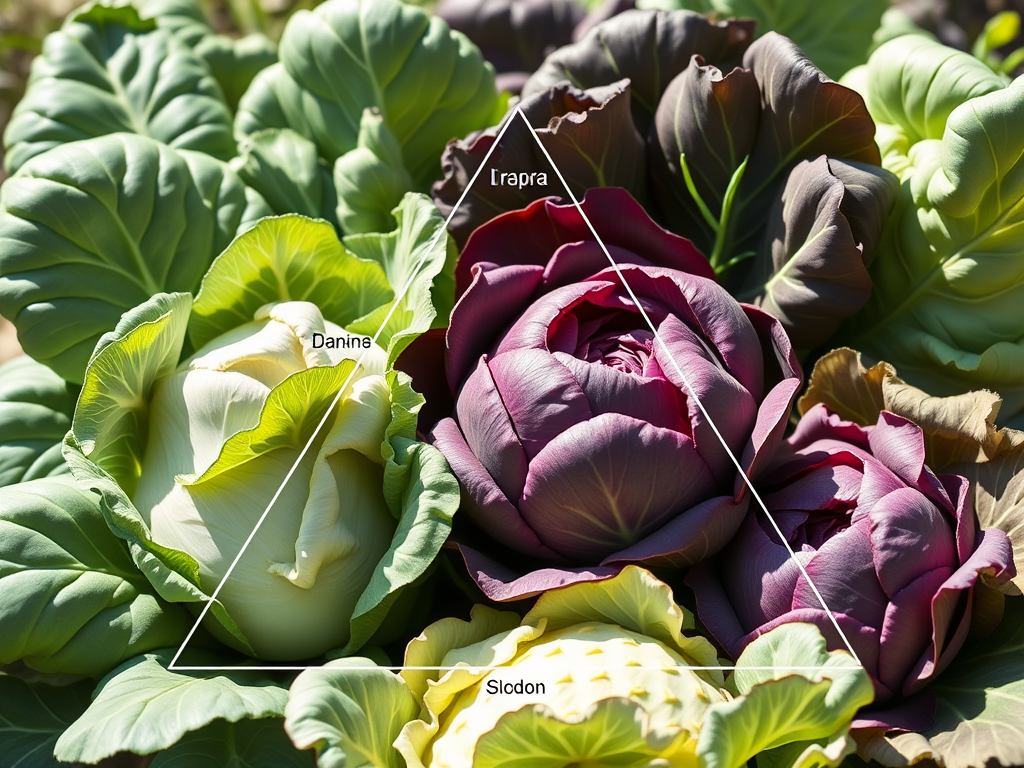
The genetic connections among Brassica species have been identified and verified through experimental crosses between diploid and/or tetraploid Brassica crops, as well as microscopic or karyotyping examination during the synapsis stage of meiosis in these hybrids (Cheng et al. 2014; Zhang et al. 2021a). For instance, F1 plants with a chromosome count of n =…
-
Around 300–400 fungal species produce mycotoxins, which are toxic metabolites that contaminate agricultural products and pose significant health risks to livestock, poultry, and humans, even at extremely low concentrations (Latham, 2023). Among them, aflatoxins produced by Aspergillus species (Figure 1) are particularly dangerous, contaminating cereals, oilseeds, spices, and nuts during both cultivation and storage. Aflatoxins,…
 NextGen AgriFood Insights